February 2, 2026



 Written by el.tangerino21@gmail.com
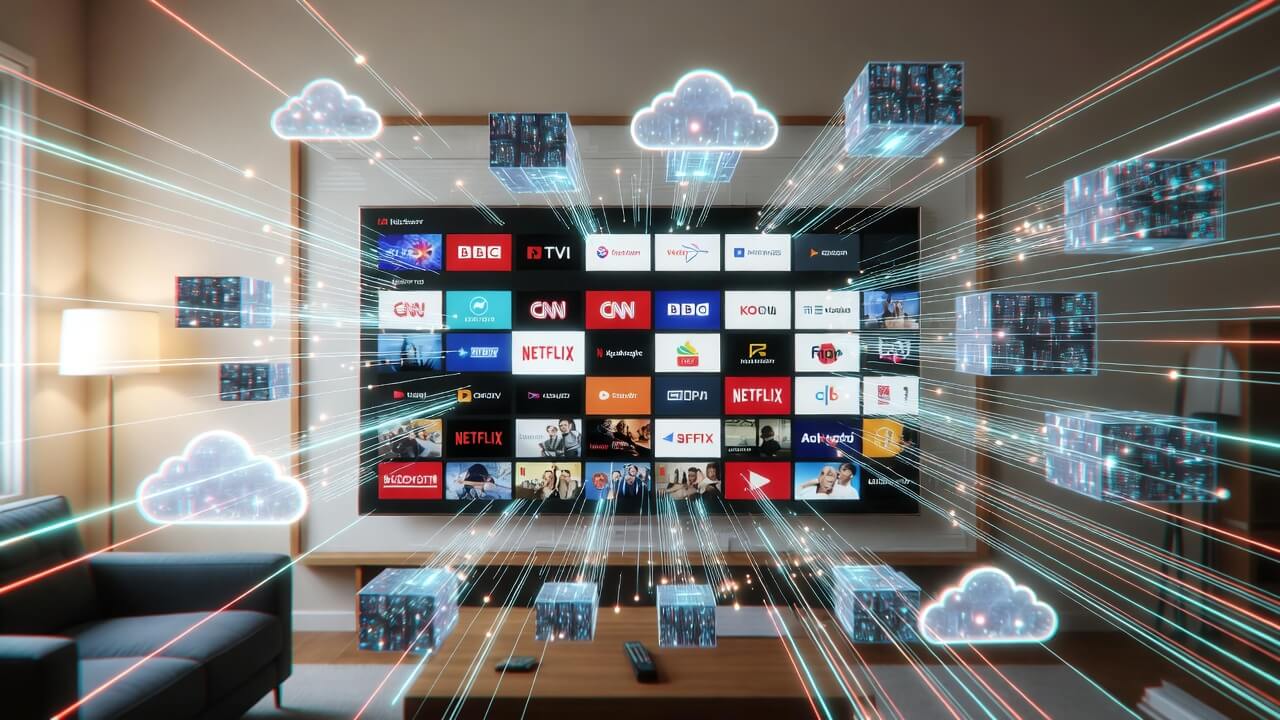
Internet television has reshaped how people consume media, and IPTV stands at the center of this digital shift. As streaming becomes the norm, services built on IPTV technology continue to gain attention for their flexibility, affordability, and global reach. This guide explores Pure IPTV in a clear, informative way, helping readers understand how IPTV works, what benefits it offers, and what to consider before using such services.
IPTV, or Internet Protocol Television, is a system where television content is delivered through internet networks instead of traditional cable or satellite signals. Rather than broadcasting all channels at once, IPTV streams only the content a user selects, making viewing more efficient and interactive.
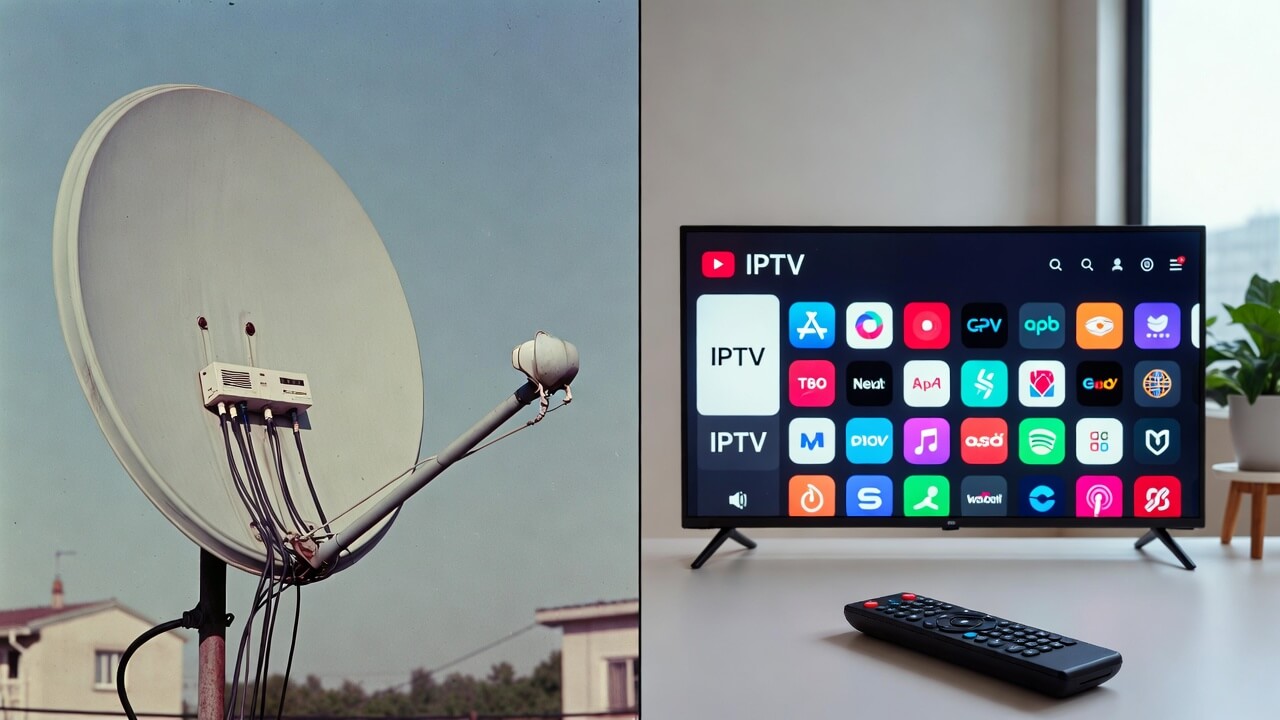
Traditional TV relies on fixed schedules and physical infrastructure. Pure IPTV , on the other hand, uses broadband connections, allowing viewers to watch content anytime and from almost anywhere. This shift supports modern lifestyles where flexibility and mobility matter more than rigid programming schedules.
Pure IPTV refers to IPTV services that focus entirely on internet-based content delivery without reliance on legacy broadcasting systems. These services typically offer live television, movies, and series through apps or IPTV players compatible with multiple devices.
Live channels are streamed in real time, similar to cable TV, but with broader international access.
VOD libraries allow users to choose movies or shows whenever they want, removing the need to follow broadcast schedules.
Time-shifted features let viewers replay shows or watch programs after they’ve aired.
A Pure IPTV service offers a wide range of local and international channels, including entertainment, sports, news, and educational programming.
High-definition and 4K streaming depend on optimized servers and reliable infrastructure. Buffer-free playback is a key quality indicator.
Modern IPTV platforms support smart TVs, smartphones, tablets, computers, and dedicated streaming devices, allowing seamless viewing across screens.
IPTV uses packet-switched networks, meaning video data is sent in small packets over the internet. This enables efficient delivery and adaptive streaming based on connection speed.
Servers store and distribute content, middleware manages user access and subscriptions, and apps or IPTV players act as the interface between the service and the viewer.
IPTV services often cost less than traditional cable packages, mainly because they don’t require extensive physical infrastructure.
Users can choose what to watch and when, tailoring their viewing experience to personal preferences.
With VOD and catch-up options, missing a show is no longer a problem.
| Feature | Pure IPTV | Cable/Satellite |
|---|---|---|
| Delivery Method | Internet-based | Physical signals |
| Flexibility | High | Limited |
| Device Support | Multiple devices | TV only |
| On-Demand Content | Extensive | Limited |
Not all IPTV services operate legally. Licensed providers have agreements with content owners, while unlicensed ones may stream copyrighted material without permission.
Users should verify provider credentials and understand local regulations. Trusted information about broadcasting laws can be found on authoritative sources like the Federal Communications Commission (FCC) .
For smooth HD streaming, a stable connection of at least 10 Mbps is recommended, while 4K streaming may require higher speeds.
Consistency matters more than raw speed. A reliable connection prevents buffering and interruptions.
Many smart TVs support IPTV apps directly, while set-top boxes provide dedicated performance.
IPTV apps for Android, iOS, Windows, and macOS allow users to stream content on the go.
Reputable IPTV services use encryption and secure authentication to protect user data.
Using strong passwords, updated apps, and secure networks helps maintain privacy while streaming.
It focuses on live TV and channel-based streaming in addition to on-demand content.
No, most services work on smart TVs, phones, or streaming devices.
Legality depends on the provider and regional laws.
For many users, yes, due to flexibility and lower costs.
Stable broadband is essential, especially for HD or 4K content.
Yes, Pure IPTV often provides access to global channels.
IPTV represents the future of television by combining flexibility, affordability, and global access. When used responsibly and legally, services like Pure IPTV showcase how internet-based broadcasting can meet the needs of modern viewers. Understanding the technology, benefits, and legal considerations empowers users to make informed choices and enjoy a smarter streaming experience.



Helping our communities connect, work, & thrive since 1952
© IPTV-4k.top is Proudly Owned by Motivi Pro